
Measuring ROI
Make your content earn its keep
Photography and film create value when each asset has a clear commercial role, reaches the right decision point and is measured against what needs to change.
Exceptional work does not become reputation by itself. It must be documented, shaped into a coherent narrative and activated wherever audiences form trust, compare options and decide.
Visual assets should change something
A useful asset does more than look polished. It should contribute to at least one commercial outcome.
Generate revenue
Attract the right attention, strengthen perceived value, support qualified enquiries, and help people choose with greater confidence.
Save time
Answer recurring questions sooner, align decision-makers, shorten approval journeys, and give teams material they can use without rebuilding the story each time.
Reduce costs
Plan destinations before production, avoid unnecessary duplication, and build an organised library that works across channels and moments.
Begin with the decision, not the deliverable
Before deciding what to photograph or film, clarify four things:
Who must see it?
What must they understand, feel or believe?
Where will they encounter it?
What evidence would show it helped?
This prevents attractive assets from becoming an expensive folder of unused files. It also reveals whether the real need is clearer positioning, a stronger narrative or a better decision journey before production begins.
Give each asset a role in the decision journey
People rarely move from first impression to commitment in one step. Different assets can reduce different kinds of uncertainty.
-
Hero photography, short films, editorial stills, aerial openers, and campaign assets can attract attention and generate qualified interest.
Useful evidence: engaged visits, relevant landing-page actions, CTA clicks and qualified traffic.
-
Founder stories, interviews, behind-the-scenes material, maker profiles and process narratives can build familiarity, authority and trust.
Useful evidence: form opens and completions, replies, calls requested and the quality of initial enquiries.
-
Case studies, project stories, portfolio sequences, showreels and presentation visuals can make complex value easier for multiple decision-makers to understand.
Useful evidence: requested next steps, stakeholder alignment, approval time and movement towards a proposal or defined brief.
-
Testimonials, proof stories, comparison material and objection-handling edits can reduce final hesitation and reinforce the decision.
Useful evidence: assisted conversions, decision time, booking or sales value and reasons given for choosing.
One commission should create a useful system
A strong commission should not produce a single hero asset and a collection of leftovers. It should create a deliberate family of material with distinct roles.
Hero assets establish the central impression and communicate the promise.
Supporting stories build understanding, character and trust.
Details provide specificity, proof and a continuing supply of useful communication.
Channel versions adapt the idea to each destination's behaviour and context.
PRINCIPLE
Repurposing is not repetition. Adapt the same story to the audience, format, and decision point rather than posting it everywhere unchanged.

Measure behaviour, not applause
Views, likes, and reach can be useful signals, but they do not, on their own, prove commercial value. Begin with a baseline, identify the behaviour that should change, and review the evidence at agreed intervals.
Revenue evidence
CTA clicks, form completions, qualified enquiries, assisted conversions, direct bookings, consultations or sales influenced.
Time evidence
Fewer repeated explanations, faster approvals, shorter sales journeys and better-prepared enquiries.
Cost evidence
Fewer avoidable reshoots, longer useful asset life, greater library reuse and more destinations served by the same planned commission.
Consider quantitative evidence alongside qualitative evidence.
Ask new customers, partners and decision-makers what they saw, what it clarified and whether it influenced their choice.
A simple review rhythm
Record the starting position before publishing.
Choose one primary outcome and two supporting measures.
Tag links and record where each asset is deployed.
Review early signals after 30 days and commercial evidence after a proportionate period.
Continue, adapt or retire assets based on the evidence.
Download the practical guide
How to Make Your Visual Assets Earn Their Keep
Use this guide to give existing and future assets a clear role, map them to the decision journey, and identify evidence of revenue gained, time saved, or costs reduced.

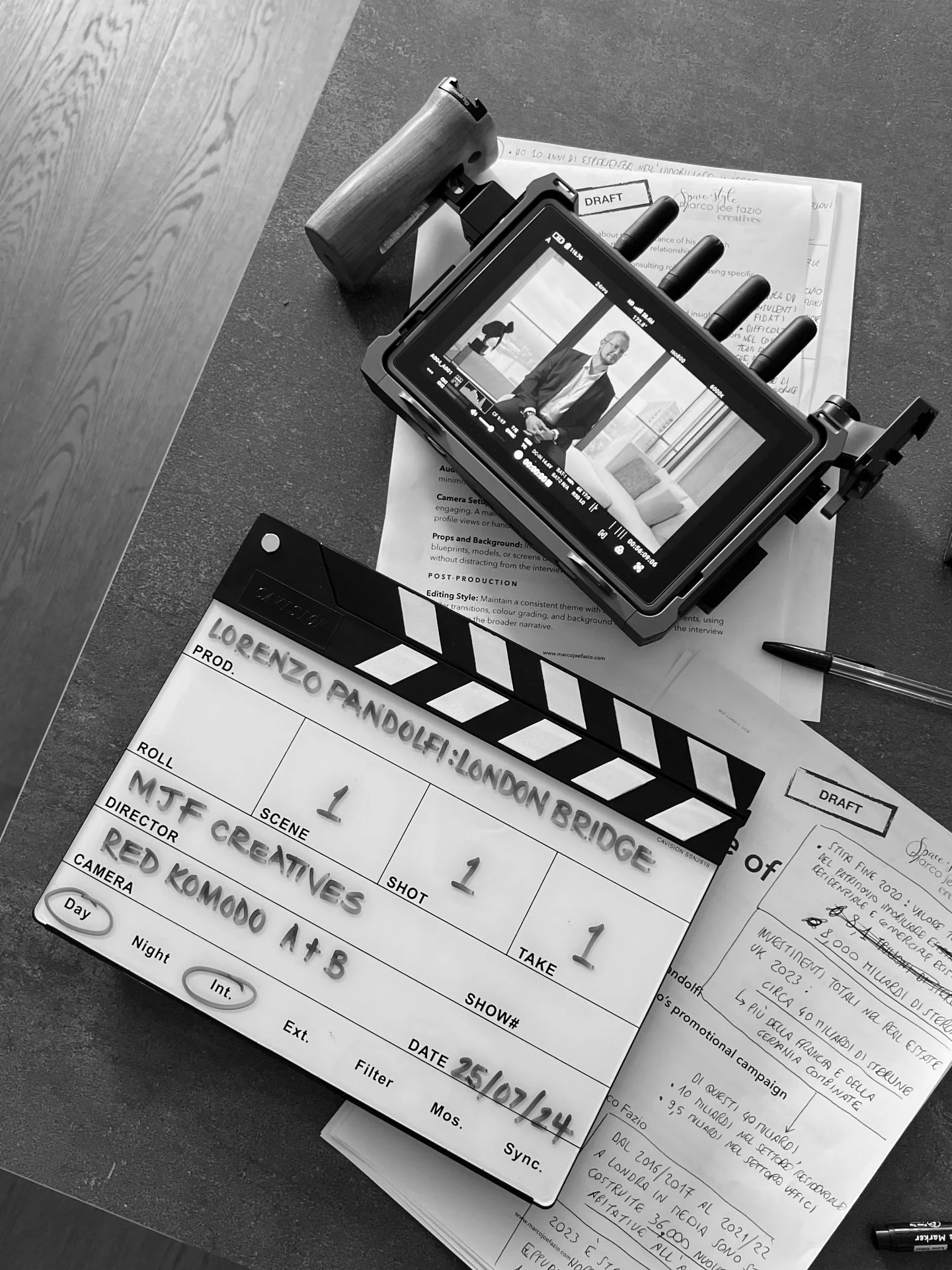
How Marco Joe Fazio Studio approaches the work
We Build Reputation.
Through strategy, narrative and visual communication.
Marco Joe Fazio Studio works with hospitality and design-led brands to identify what audiences need to understand, shape the narrative, and create the communication assets that make strong work easier to trust and choose.
Space+Style™ is our strategic communication methodology for understanding how space, culture and narrative shape perception. It helps us determine what the audience must feel, understand and remember before we decide what to produce.
Where is value being lost?
If the real experience is stronger than its online portrayal, valuable assets go unused, or communication generates activity without supporting decisions, start with the commercial question.
Tell us what needs to change, which opportunity is approaching, or where the current communication is falling short. We will recommend the most proportionate starting point.